
Featured project
Fence removal, Rochester NY
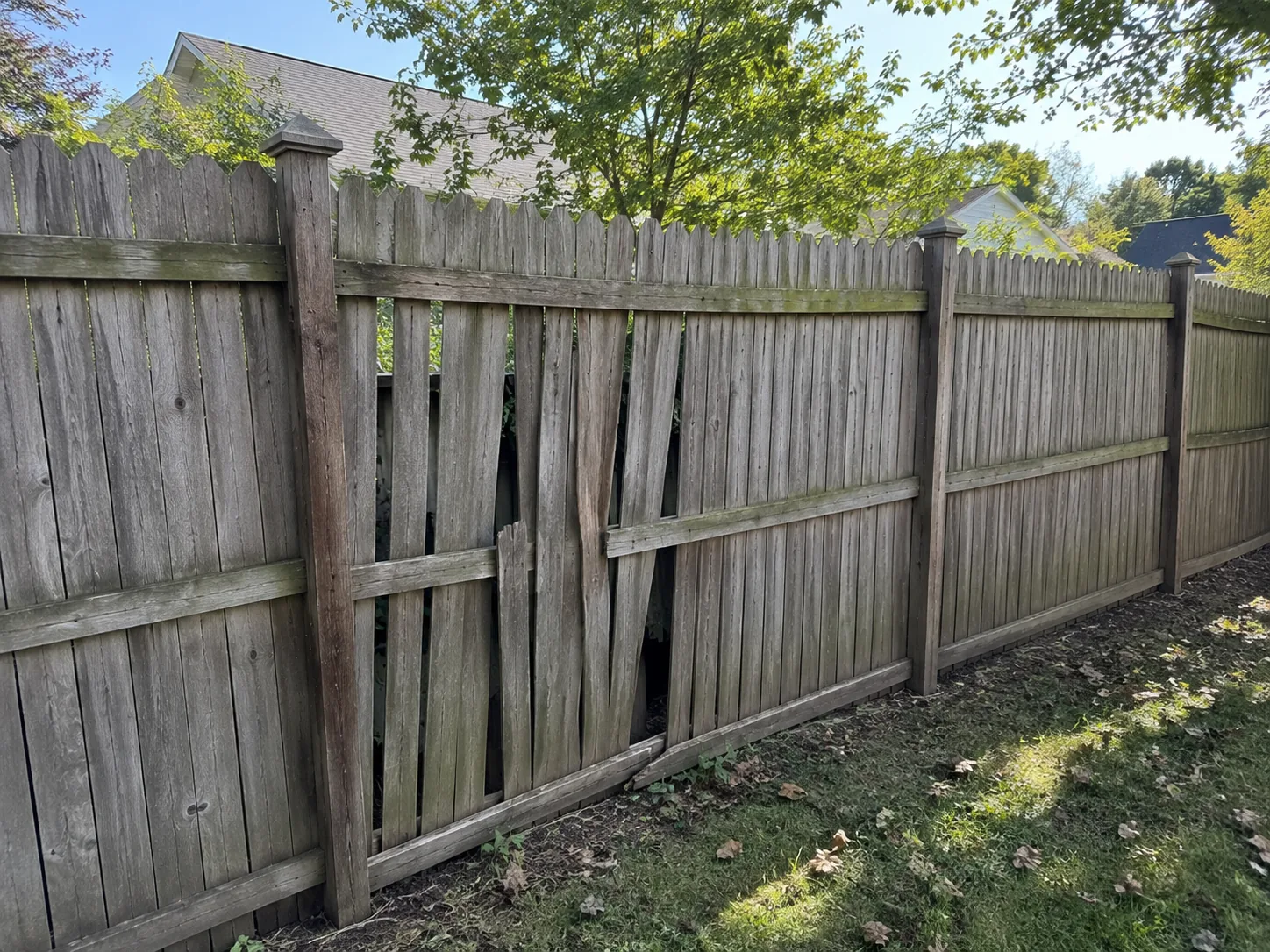
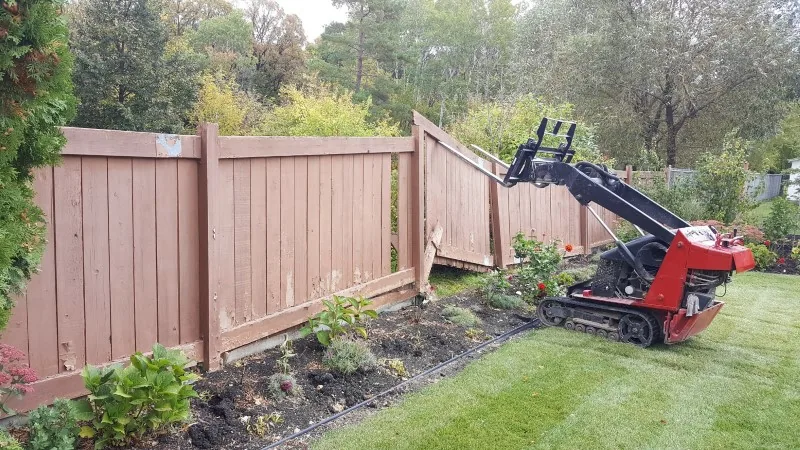
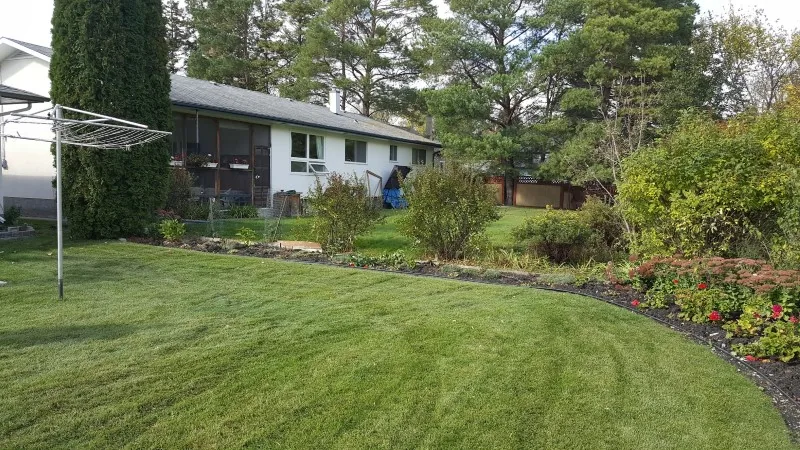
A wood fence at the end of its life, photographed from the same position before, during and after the work. This is the job we use to explain what fence removal actually involves.
What was there
A wood privacy fence along a property line, with panels that had weathered grey, rails that had begun to sag, and posts that were no longer holding a straight line. Fences fail this way: the boards go first, then the rails, and the posts — which are the only part that is actually in the ground — are the last thing anyone looks at.
That matters because the posts decide what the job is. A fence set in concrete collars is a different scope from one driven into soil, and the difference is weight, time and what gets left behind. Photographs of the base of a fence are worth more than photographs of the panels.
How it came apart
- Panels firstBoards and rails come off the posts, which turns a rigid run into loose material that can be carried rather than dragged.
- Posts nextPosts are worked free of the ground one at a time, with the machine on the outside of the line so nothing is pulled toward the fence.
- Material separatedWood is kept apart from any concrete, wire or hardware. Separate streams dispose of more cheaply than one mixed pile.
- Line clearedThe run is walked end to end — the step most jobs skip, and the one that decides whether the property looks finished.
The same job, photographed at each stage
What decides the price on a job like this
Three things, and none of them is the length of the fence on its own. First, how the posts were set — in concrete, in soil, or on metal anchors. Second, access: whether a machine can reach the line or everything has to leave through a gate on foot. Third, what the fence is made of and whether it can be separated cleanly from hardware and concrete.
That is why the quote starts with photos of the base of the fence and the route to it, not the panels. A hundred feet of fence down a driveway and a hundred feet at the back of a tight lot are not the same job.
Have a fence like this one?
Send photos of the panels and the base of the posts. That is enough to start.